

Exploring the psychology behind gambling habits
The allure of gambling
Gambling has captivated human interest for centuries, transcending cultures and geographies. The thrill of chance and the prospect of winning can trigger intense emotional responses, making gambling an alluring activity for many. This allure is rooted in psychological principles such as the availability heuristic, which amplifies perceived odds based solely on memorable instances of big wins. For instance, when an individual hears stories of others who struck it rich at an online casino australia , they may downplay the risks and overestimate their own chances of success. This skewed perception often leads individuals to engage in gambling activities, believing that they too can achieve similar results.
Additionally, the excitement generated by the unpredictable nature of gambling acts as a powerful lure. The anticipation of winning—including the rush of adrenaline tied to placing a bet—creates a cycle of reinforcement. This phenomenon can be explained through the psychology of rewards, where individuals are motivated to repeat behaviors that lead to favorable outcomes. In casinos and online gaming platforms, the environment is often designed to maximize stimulation, further enhancing the overall appeal of gambling. Bright lights, engaging sounds, and the presence of other players can all serve to amplify the excitement surrounding gambling activities.
Moreover, social factors play a significant role in the allure of gambling. People often engage in gambling as a communal activity, where gatherings at casinos or gaming nights can enhance social bonds. The shared experience of risk-taking can create a sense of belonging and camaraderie among gamblers. These social dynamics, combined with the thrill of the game, foster habits that can evolve over time, leading individuals to frequent gambling activities as both entertainment and a social outlet. As friends and family share their experiences, the allure of gambling can become even more pronounced, as individuals seek to replicate these shared moments of excitement.
The role of cognitive biases
Cognitive biases significantly influence gambling behavior, as they often distort an individual’s perception of risk and reward. One prevalent cognitive bias is the gambler’s fallacy, which leads individuals to believe that past events will influence future outcomes. For example, a person may feel that a particular slot machine is “due” for a win after a streak of losses, prompting them to wager more money. This belief not only skews their understanding of probability but also encourages continued gambling despite losses, as they chase the elusive win they believe is inevitable.
Another important cognitive bias is confirmation bias, where gamblers focus on information that supports their beliefs while ignoring contradictory evidence. When a player wins, they may reinforce their belief that they possess a winning strategy, often disregarding the times they lost or the lack of a consistent winning pattern. This selective attention can create a false sense of confidence, driving individuals to gamble more frequently, ultimately exacerbating their gambling habits. Such biases can transform an enjoyable pastime into a compulsive behavior, making it difficult to break the cycle of gambling.

The illusion of control is yet another cognitive bias that plays a crucial role in shaping gambling behaviors. Many gamblers believe they can influence outcomes through skill or intuition, especially in games that combine chance with strategy. This misguided perception can lead to an increase in the frequency of gambling, as individuals feel empowered by their supposed ability to sway the odds in their favor. Such cognitive distortions create fertile ground for the development of problematic gambling habits over time, as individuals become increasingly convinced of their capabilities and the potential for success.
The impact of emotions on gambling behavior
Emotions are a driving force behind gambling habits, often influencing decision-making processes in significant ways. For instance, individuals experiencing stress or anxiety may turn to gambling as a means of escapism. The temporary thrill of placing a bet can provide a distraction from daily pressures, allowing them to momentarily forget their troubles. However, this coping mechanism can lead to a cycle of reliance on gambling as a method of managing emotions, resulting in increased gambling frequency. Over time, the individual may find themselves trapped in a cycle where gambling is their primary outlet for dealing with negative feelings.
Conversely, positive emotions can also exacerbate gambling behavior. Celebratory events often prompt individuals to engage in gambling-related activities as a form of entertainment and gratification. Winning can trigger feelings of euphoria, reinforcing the desire to continue gambling in pursuit of that emotional high. This emotional rollercoaster, characterized by the peaks of winning and the troughs of losing, can create a powerful addiction dynamic, compelling individuals to chase their next win regardless of the consequences. As such, the interplay between winning and losing can significantly impact an individual’s emotional state and overall gambling behavior.
Furthermore, unresolved emotional issues can manifest through compulsive gambling behaviors. For some, the act of gambling serves as a way to mask deeper psychological struggles, such as depression or low self-esteem. Gambling becomes an outlet to seek validation or thrill when these individuals feel powerless in other areas of their lives. This emotional interplay makes gambling habits difficult to break, as the activity becomes intertwined with their attempts to manage their psychological state. As a result, individuals may find themselves caught in a vicious cycle, where escalating gambling behaviors further exacerbate their emotional challenges.
The role of environment and social influence
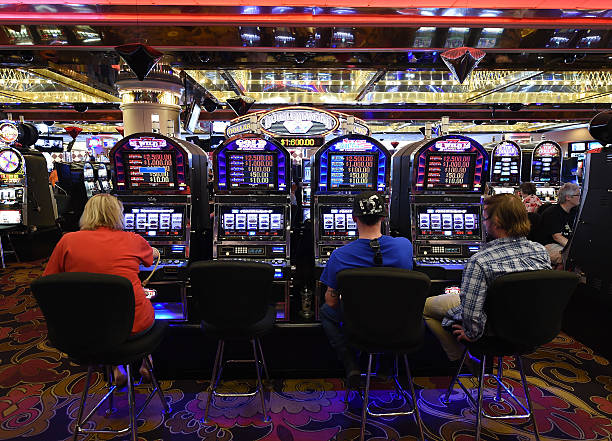
The environment in which gambling occurs plays a pivotal role in shaping habits. Physical casinos, online gaming platforms, and social contexts each provide unique stimuli that can either encourage or deter gambling behaviors. For instance, brightly lit environments and engaging sounds in casinos are deliberately designed to create a sensory overload, capturing the attention of players and enticing them to play longer. This manipulation of the environment can heighten the likelihood of developing habitual gambling behaviors, as individuals become increasingly immersed in the gaming experience.
Social influences are equally important in determining gambling habits. Peer pressure and social acceptance can lead individuals to gamble in various settings, from casual gatherings to formal events. The presence of friends or family who enjoy gambling can normalize the behavior, making individuals more likely to participate, even if they initially have reservations. This communal aspect can create a reinforcing cycle, wherein individuals feel compelled to engage in gambling to maintain social bonds or fit in with their peers. As social dynamics evolve, the collective attitude towards gambling can significantly influence individual behaviors.
Moreover, the rise of online gambling has transformed the landscape, making it easier for individuals to engage in gambling behaviors discreetly and frequently. Social media and gaming platforms further serve to create communities that celebrate and promote gambling, influencing others to join in. This interconnectedness has the potential to increase gambling participation among individuals who might not have otherwise engaged in such activities, emphasizing the powerful effect of environment and social connection in shaping gambling habits. The virtual realm often blurs the lines between social interaction and gambling activity, making it crucial to recognize these influences.
Understanding gambling behavior on a deeper level
Understanding gambling behavior requires a multifaceted approach that takes into account the psychological, emotional, and social elements involved. Insights from behavioral psychology can shed light on why certain individuals engage in gambling while others do not. This understanding can inform interventions aimed at addressing problematic gambling behaviors and promote healthier attitudes toward gambling. For instance, cognitive-behavioral therapy techniques can help individuals recognize their cognitive biases and challenges surrounding gambling, allowing them to develop healthier coping strategies. Such interventions can guide individuals toward more productive and fulfilling activities, reducing reliance on gambling as an escape.
Furthermore, research into gambling habits can benefit from a broader societal perspective, examining how factors such as socioeconomic status, cultural norms, and accessibility to gaming venues influence gambling behavior. By considering these external variables, stakeholders can create targeted educational programs and policies that aim to reduce harmful gambling behaviors within communities. This holistic approach is crucial in mitigating the risks associated with gambling while fostering a responsible gaming environment. When communities understand the broader implications of gambling, they can better support individuals in making informed choices.
Ultimately, the exploration of gambling habits reveals complex interactions between individual psychology and external influences. As society continues to evolve with advancements in technology and changes in social norms, it is essential to remain vigilant in understanding the psychological underpinnings of gambling. This understanding can guide researchers, mental health professionals, and policymakers in addressing gambling-related issues effectively, creating a better-informed society that promotes healthy gaming practices. Recognizing the intricacies of gambling behavior enables a more compassionate approach to those struggling with gambling habits, fostering a supportive environment for recovery and responsible gaming.